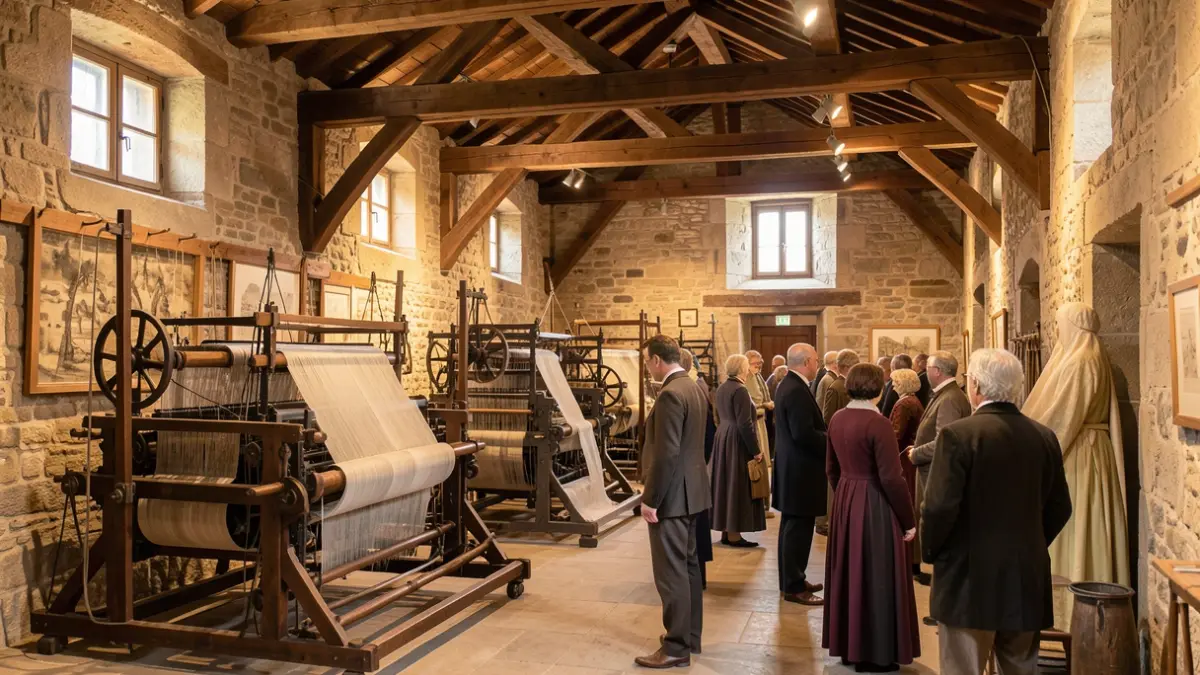
The choice of venue on November 18th symbolized the importance of the textile industry, a historical hallmark of the Interior, now transformed into spaces for education, research, and innovation by UBI. UBI's Rector, Ana Paula Duarte, emphasized that the building "tells the story the book wants to tell", highlighting the Interior's transformation from industry to knowledge.
Ana Paula Duarte, a chapter author, shared her personal experience, stating that the Interior "is not a place of absence, it is a place of possibility", but warned of the need for "continued investment and national strategic vision" to realize this potential.
At the presentation, which had a full house, speakers included Hélio Fazendeiro (Mayor of Covilhã), António Costa e Silva (former Minister of Economy), and the book's coordinator, Nuno Fazenda (Member of Parliament). All agreed that the Interior represents an "unavoidable strategic opportunity for Portugal's development".
Hélio Fazendeiro stated that the Interior "is not a fatality, it is an opportunity", while António Costa e Silva highlighted UBI's "capacity for innovation and research" and its role in the "economic development of the entire region".
Nuno Fazenda explained that the book combines life stories with concrete proposals for policymakers, aiming to build "a more cohesive, balanced, and just country". He addressed the demographic issue, advocating for "economy and employment" to attract and retain people.
The work, with a preface by President António José Seguro, features 50 testimonies from different generations and sectors, geographically spanning several districts from Trás-os-Montes to Baixo Alentejo. António Costa e Silva expressed hope that the book will "reposition the Interior where it belongs and be central to political thought".